
Data Centers in Eagle Mountain
As early as 2016, Eagle Mountain City set out to redefine its economic landscape by thoughtfully partnering with companies seeking to build data centers. Since that time, Eagle Mountain has set the standard for collaboration with data centers to create positive impacts for communities.
What is a Data Center?
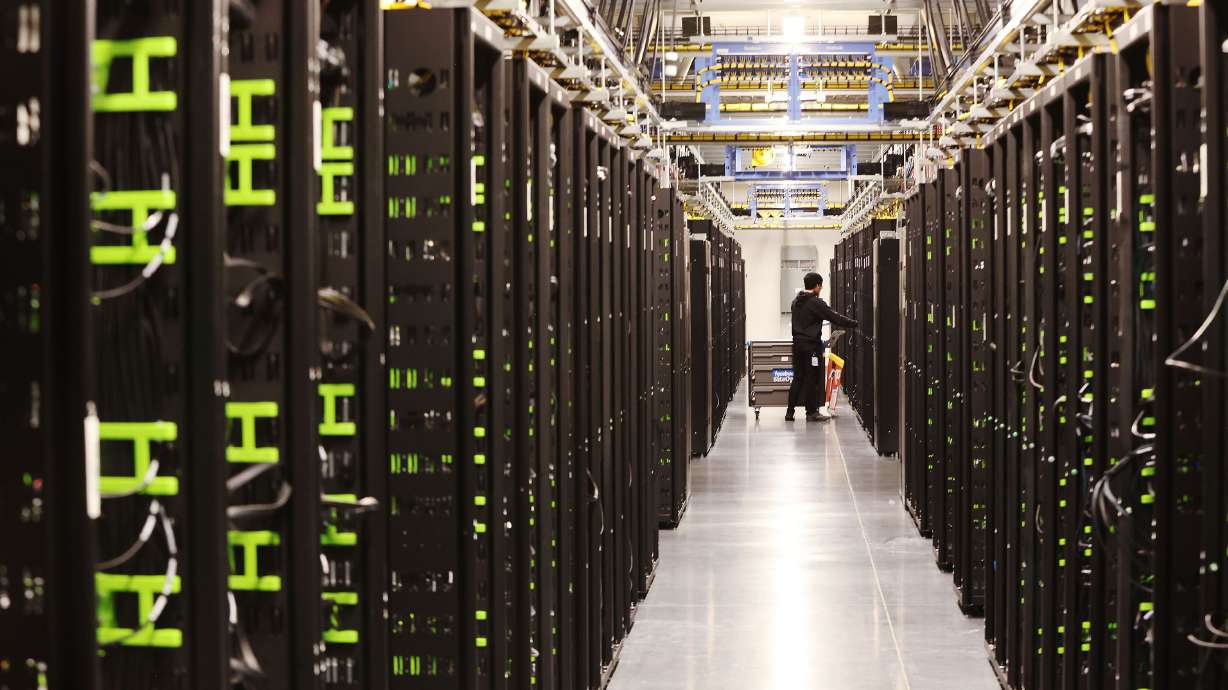
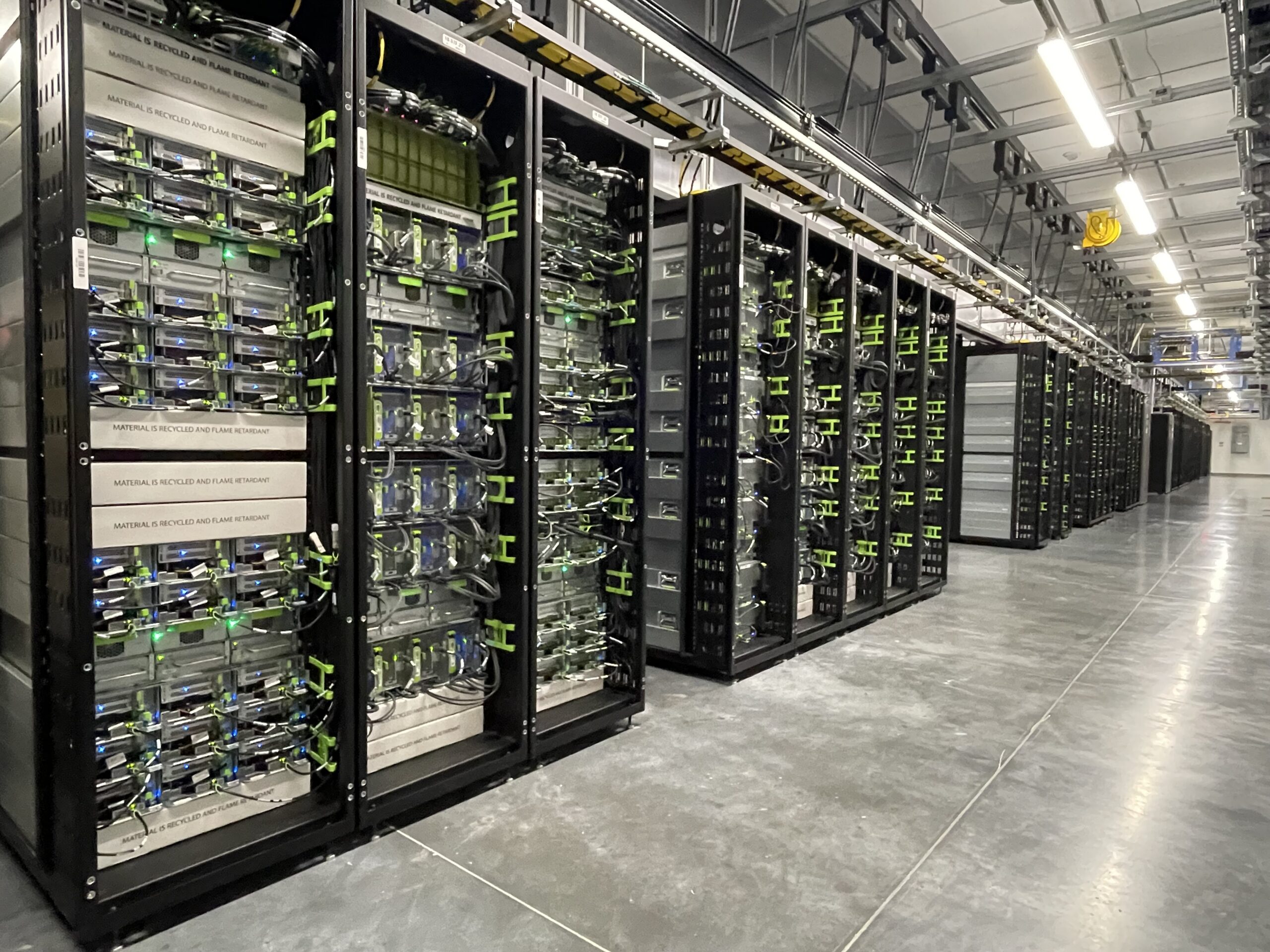
When you share photos with friends and family, watch videos on social media, browse the internet, or employ AI tools for those tough questions, you need data centers to collect, store, and transmit information. Inside a data center you will find thousands of servers, networking devices, and beautifully arranged cables throughout. Working inside that data center are many fellow Eagle Mountain residents who earn great wages keeping this vital infrastructure running uninterrupted.
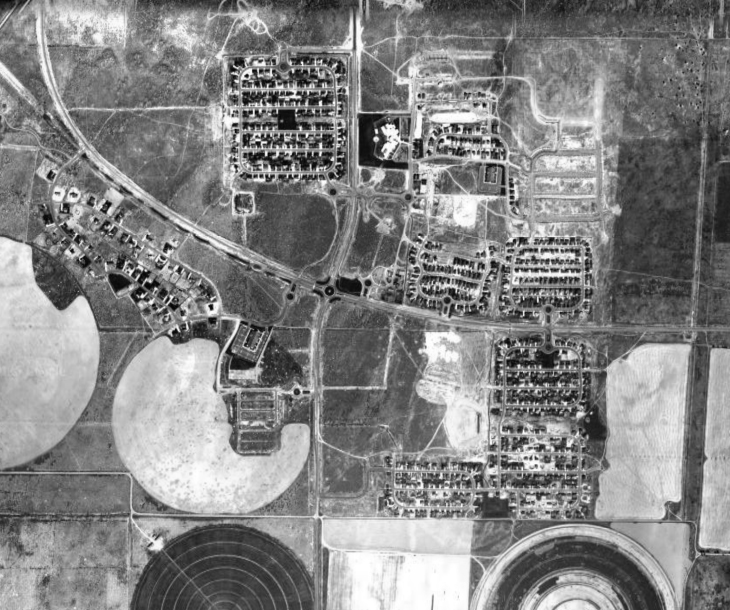
1996 – 2008
The Early Days
The city began with only 250 residents and a handful of local businesses. We had our own electric, gas, and internet services. Services and facilities were very limited and tax revenues could only afford an old, used fire truck for our fire department. Our lack of infrastructure, distance from I-15, lack of rail, and small population made us non-competitive to attract any major employers.

2009 – 2015
Emerging from Crisis
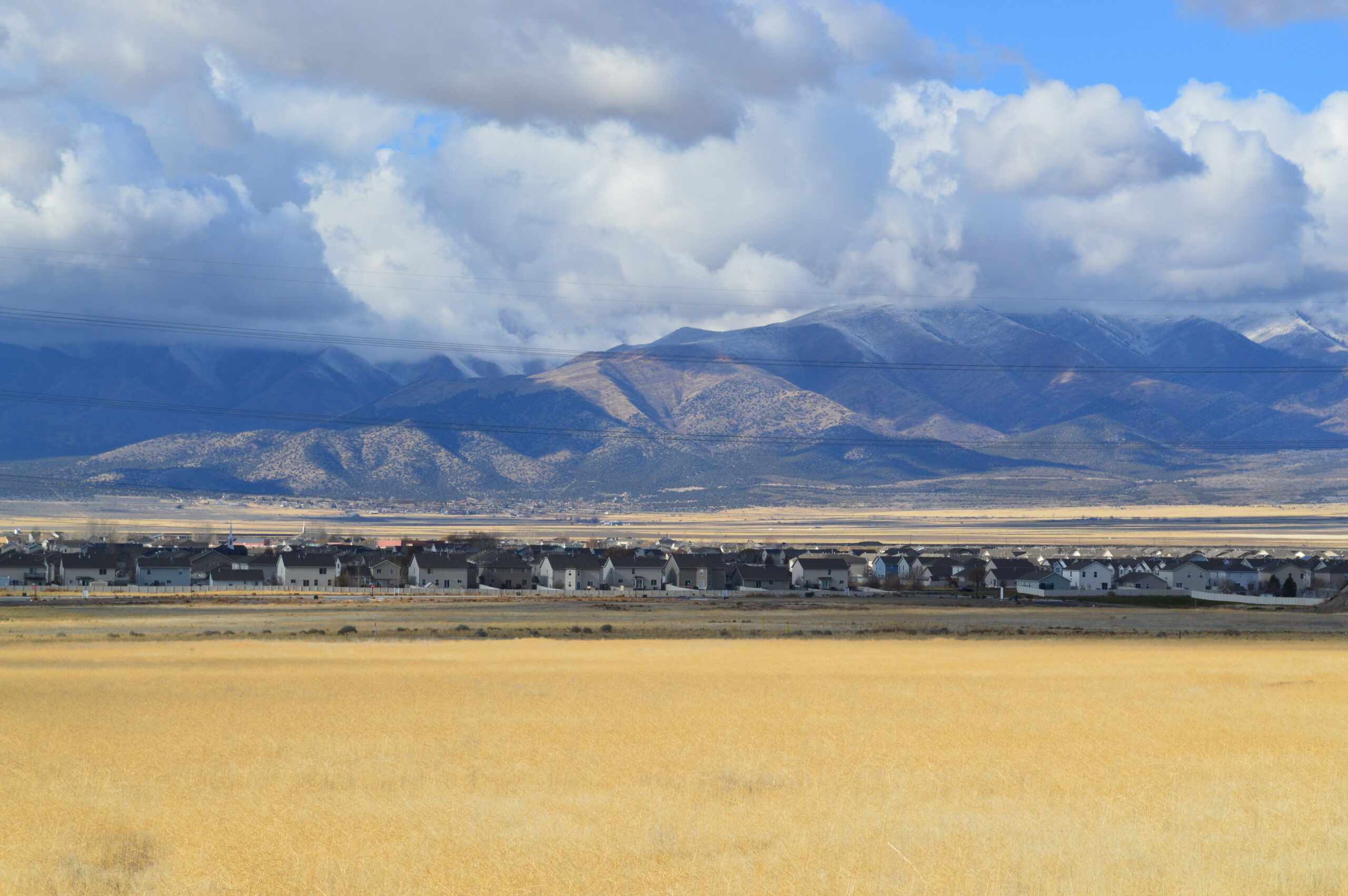
Pressures of growth, a national economic recession, and continued lack of commercial tax base leads to the city being in significant debt and unable to meet the needs of major businesses considering building facilities in the city. We are told regularly Eagle Mountain doesn’t have what’s needed to be competitive. To start countering this, Eagle Mountain sells its electric, gas, and internet services and pays off its debts.
2016 – 2018
Recruitment Challenges
The sale of utilities creates new opportunities for potential businesses to work with partners that have significantly better resources. But Eagle Mountain is still too far from I-15, has no rail, limited access to higher education, and other disadvantages. Eagle Mountain discovers data centers don’t care about these disadvantages; we have the right conditions, and they can help us build new advantages.
2018 – 2021
The Data Center Play
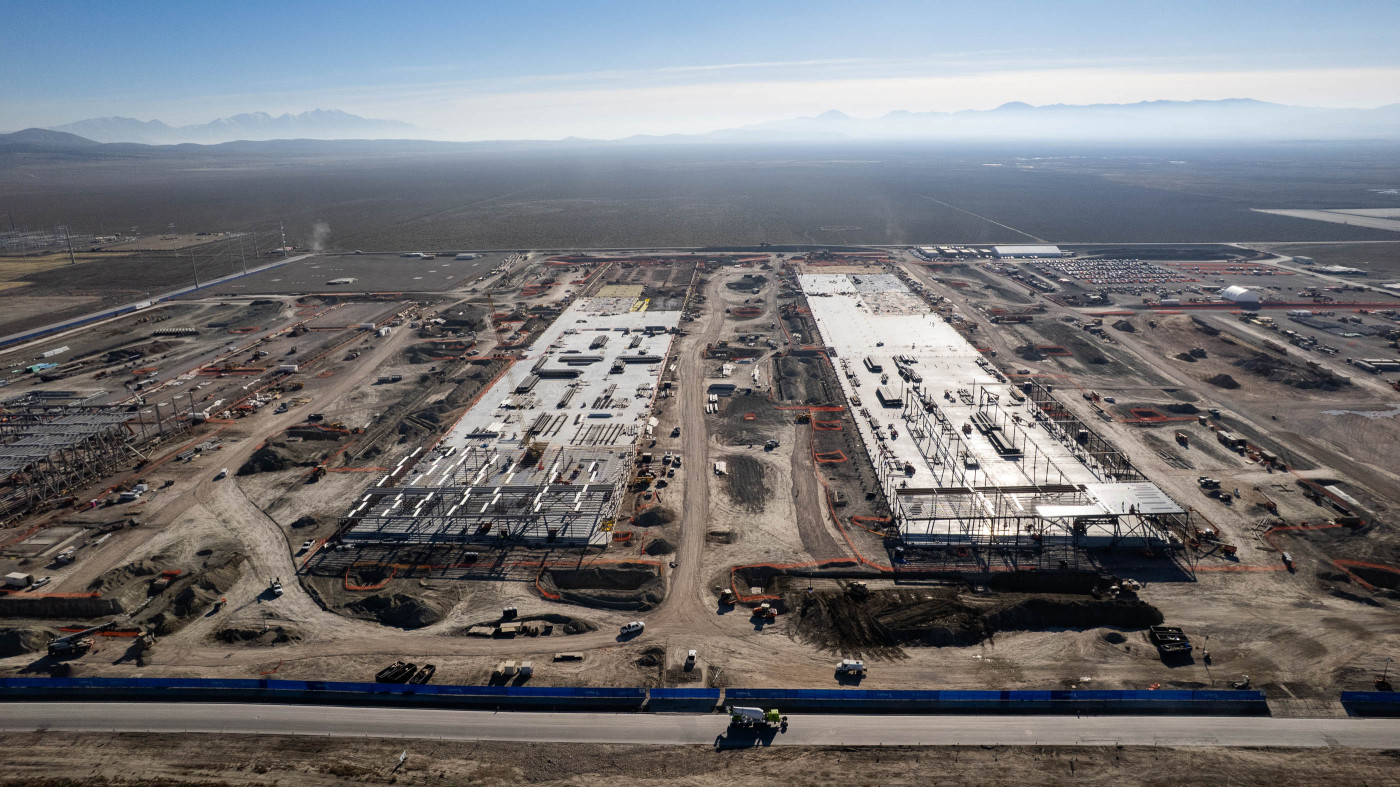
Facebook hunts for a site in Utah and nearly gives up. Eagle Mountain steps up with the State of Utah to land a Facebook data center campus. The project includes substantial infrastructure upgrades paid by Facebook. Google later follows, also committing to infrastructure upgrades and substantial community giving. The announcements immediately improve the city’s name recognition around the nation.
2022 – 2026
Economic Emergence
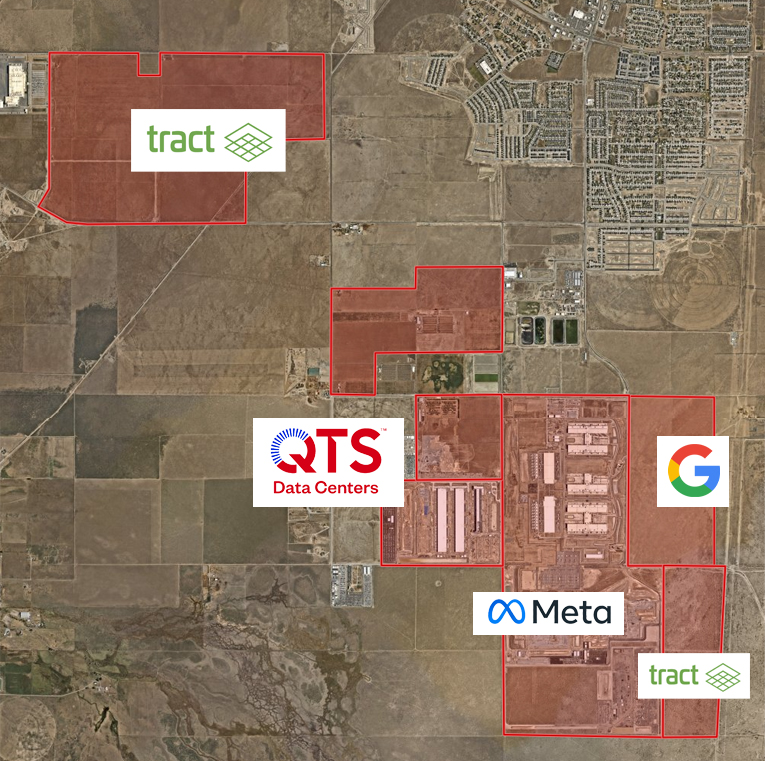
Additional data center companies, QTS and Tract follow Facebook (now Meta) and Google. The massively improved infrastructure and major construction greatly accelerates retail development and substantially improves Eagle Mountain’s competitiveness for nationwide site selection of major companies in other industries. We now rank in top 5 of candidate cities regularly when businesses consider new sites in Utah.
Eagle Mountain’s Data Center Strategy
Contrary to many other cities and towns across the United States, Eagle Mountain sought out data center development as a means of laying a foundation for a strong economic future. How do the data centers play into the broader economic strategy? Let’s break it down:
Data centers have a tremendous amount of taxable value. Because Utah’s property tax law is revenue-based and not rate-based, anytime more value is added, rates automatically go down each year so that the city collects the same amount. So, new data centers over time will push rates down and carry a larger share of tax burden.
As a brand-new city, Eagle Mountain has historically had little existing infrastructure to lean on for commercial & industrial development. Data center infrastructure often involves building roads, laying new water & sewer lines, upgrading transmission lines, building new substations, and more. Eagle Mountain planned for these projects to bring infrastructure to where it was needed, and ensure there was capacity to serve users beyond the data centers.
Both data centers and power generation projects that at times are needed to support data centers create opportunities for other businesses in pretty unique ways. Heat coming from data centers can be directed to another user who needs that heat as part of their processes. Any water use can be recycled and repurposed for other users such as hydroponic farming. CO2 from a power generation facility in another part of the state is piped into a neighboring tomato facility to help the plants grow better. Considering these complementary uses is driving some very interesting economic growth prospects.
One of the primary things businesses are looking for when siting a new manufacturing facility or other large project is the availability of energy. Eagle Mountain previously could not provide much assurance of energy availability. Between the work of the State of Utah and Eagle Mountain City, energy availability will now be a strong attractant for the area greatly thanks to the presence of immediate power off-takers, the data centers. Power generation companies love to work with data centers to establish a strong set of reliable users before providing additional power load for other industrial uses in the vicinity.
What about Tax Incentives?
Tax incentives are often used across the country strategically for recruitment of businesses undergoing active site selection when a community is at a disadvantage otherwise. Eagle Mountain has used tax incentives when appropriate and you can learn a lot more about how and why they’re used and what we’ve done so far on our Redevelopment Agency page.
What Good Do Data Centers Bring?
Often we hear about the possible negative impacts of data centers. We address some of those possibilities later in the page. It’s important to also highlight the many substantial benefits that come from data center development in a community and that Eagle Mountain has seen already; below are some examples.

Affordable Housing Dollars
Data center projects have contributed $5 million in affordable housing dollars, money that’s being used for down payment assistance programs.
High-Paying Construction Jobs
Jobs that will last for years due to project scale and planned expansions. These jobs also bring people to the area that bolster our local businesses.
Grants and COnTRIBUTIONS
Schools, Non-Profits, and Small Businesses are recipients of many giving opportunities each year, sometimes as part of planned events, other times just as needed.
Infrastructure Improvements
Between power, water, sewer, road, and other infrastructure, upgrades and expansions are tremendous and built to support more than the data centers.
REAL COMMUNITY BENEFITS
Meta: A Case Study
Since beginning construction in 2018, Meta has voluntarily been heavily involved in the community and contributed significantly to our local schools, events, parks, non-profits, small businesses, and much more. The value of their contributions is in the several millions of dollars. Additionally, they have repeatedly invested in projects that go above and beyond what they are required to do, and help Eagle Mountain achieve its economic objectives. Eagle Mountain City has greatly appreciated the partnership with Meta and that they are part of this community.
Environmental Stewardship
Will data centers greatly impact Eagle Mountain’s air quality, water supply, dark skies, or wildlife? Each data center project has been carefully vetted, sometimes over the course of years, to understand all possible impacts and mitigation strategies. Eagle Mountain City does not welcome any data center project that plans to develop in a way that runs contrary to our principles and standards.
- Water Supply & Quality: Modern data centers, especially those in Eagle Mountain, are built with the understanding that there are limited water resources. They must purchase water rights, and the City is not obligated to sell. Additionally, they must disclose their expected waste water quality metrics. The earliest data centers in Eagle Mountain use highly advanced, Gold LEED-certified evaporative coolers that run only 3-4 months in the year, using about 120 acre-feet of water. The newest data centers, and all data centers going forward will be using closed-loop systems. These closed-loop systems mean each building fills up the equivalent amount of water as an Olympic swimming pool, and then re-uses that water for decades. Water coming out of the data centers is tested, mixed with culinary water, and then sent to Cory B. Wride Memorial Park to irrigate the turf grass there.
- Air Quality: At its hottest, the air coming out of data centers in Eagle Mountain reach 95 degrees. Data centers themselves do not produce emissions. If a data center requires on-site power generation using technologies with fuels such as natural gas or nuclear, each power generation facility must go through rigorous processes to obtain air quality permits and complete testing. Eagle Mountain does not pursue or permit the development of power generation facilities that have health impacts on the residents of Eagle Mountain.
- Wildlife: We take the responsibility to care for our local wildlife very seriously. Any form of development takes away natural spaces that wildlife may have inhabited or used at some point. That’s why Eagle Mountain is very deliberate with the opportunity we have in a growing city to maintain spaces throughout the city for wildlife to co-exist with us, rather than drive wildlife out. Data centers specifically are very low impact to wildlife, and they are being sited where there are no migration corridors.
Eagle Mountain has approved data center projects totaling the footprint of Centerville, UT. With that footprint, data centers will only use about 5% of the water compared to other typical development.
Based on 3,500 acres of development, and each building using the equivalent of 5 homes worth of water with closed-loop technologies.
Are Data Centers the Best Use of the Land?
Why not other businesses like grocery stores or other industrial that provides more jobs? Why not homes? What makes data centers a good fit for Eagle Mountain and the property they are building on? Taking a look at the differences between two areas, each 300 acres may help shed some light. Images are at the same scale.
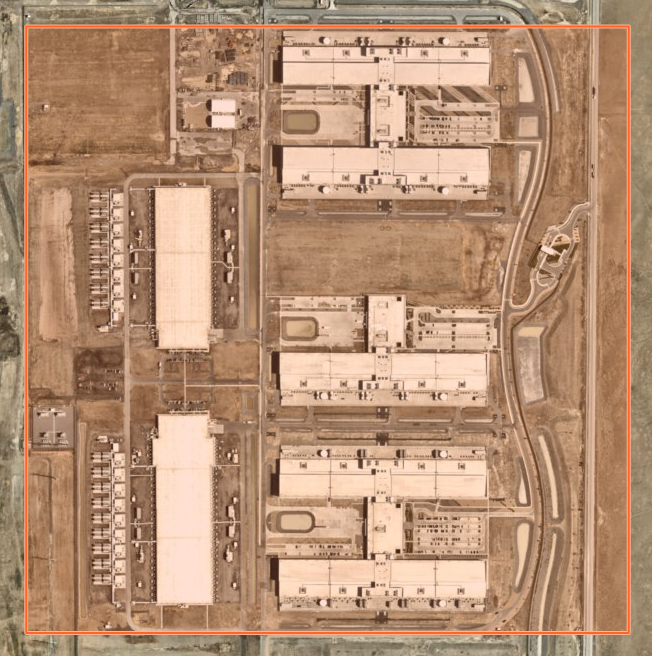
The above data center property is about 470 acres and includes seven buildings. There is no on-site power generation and no other types of development.
- Low to moderate water demands. Equivalent of 200-250 homes. Closed-loop systems use much less.
- Infrastructure maintenance is moderate and handled by the property owner. City only maintains the public roadways around the property and water/sewer lines outside the property.
- Data center pays 100% of assessed value + personal property tax. Existing tax rebates may affect total payment for a period of time. Tax revenues are substantial, greatly exceeding that of the comparison property.
- Pays 6% Municipal Energy Tax on energy consumption. Total energy draw is approximately 300 megawatts and paid at a higher rate, resulting in substantial revenues.
- Police and Fire/EMS demands are very low. Security handled by private contractors. Fire suppression systems are extensive.
- Does not bring additional children; impacts to school district are overwhelmingly positive.
- Provides a few hundred permanent jobs. Some lower-skilled entry level jobs, but most are professional, high-paying jobs.
- Impact on environment is low. Little wastewater impacts. Impacts could be higher with on-site power generation.
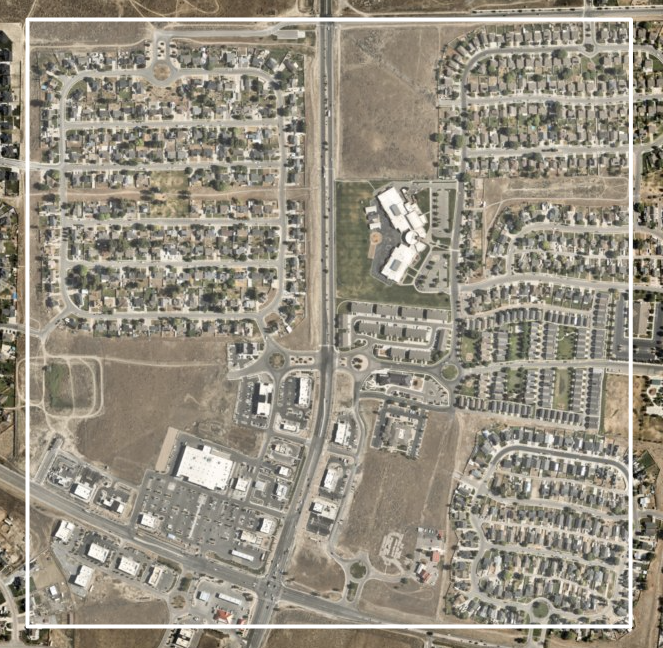
The other example property includes a mix of development types. Residential including multi-family, retail commercial, medical office, a school, and more.
- Higher water demands. Each residential lot uses roughly 200,000 gallons/year. Retail uses more, but for internal use.
- Infrastructure maintenance is high. Maintained by City, numerous meters, water and sewer connections, miles of roadways, and so forth.
- Residential development contributes property tax at 55% of assessed value, schools pay no property tax. Commercial pays property tax at 100% assessed value + personal property tax. Commercial also creates sales tax revenues.
- Pays 6% Municipal Energy Tax on energy consumption. Total energy draw is likely less than 15 megawatts, resulting in revenues being minimal.
- Police and Fire/EMS demands are higher. Traffic law enforcement, retail theft, response to homes, and more.
- Residential development brings many children which contribute to demands upon school system.
- Area provides a few hundred permanent jobs. Mix of professional work and lower-skilled entry level jobs.
- Impact on environment is variable. Generally, low air-quality impact. Somewhat significant wastewater impact.
Existing Data Center Projects
Meta Data Center Campus
Project Description: Meta has several buildings operational in Eagle Mountain with more under construction. The company in partnership with its contractors has been doing work in the city for several years and been a major contributor to many community causes.
- Year Announced: 2018
- Status: Operational & Expanding
- Campus Size: 1,037 acres
- Power Source: Grid power & onsite natural gas generation
- Water Source: Central Utah Water & Well
- Cooling Technology: Evaporative Cooling & Closed Loop
- Water Use: Approximately 130 ac/ft per year as of 2026
- Temporary Workforce Employed: 1,200
- Permanent Workforce Employed: 300
Google Data Center
Project Description: Google has planned to develop a data center on a property just east of the Meta data center campus. At this time the city has not been provided any plans for how many buildings, size, and so forth.
- Year Announced: 2021
- Status: Not Started
- Campus Size: 313 acres
- Power Source: To be determined
- Water Source: Central Utah Water & Well
- Cooling Technology: Anticipated Closed Loop
- Water Use: To be determined
- Temporary Workforce Employed: To be determined
- Permanent Workforce Employed: To be determined
QTS Data Center Campus
Project Description: QTS or Quality Technology Services is a collocation data center developer that plans to build several buildings which will then lease space to other companies to host their equipment and services. The QTS data center project is one of the fastest projects in the world and the company has contributed significantly to community causes.
- Year Announced: 2023
- Status: Under Construction & Expanding
- Campus Size: 680+ acres
- Power Source: Grid power & onsite natural gas generation
- Water Source: Central Utah Water & Well
- Cooling Technology: Closed Loop
- Water Use: Planned – less than 75 ac/ft
- Temporary Workforce Employed: 3,000+
- Permanent Workforce Employed: 300+
Tract Data Center Campus
Project Description: Tract is a property developer that works to lay the groundwork, literally and figuratively, for future data center development. Their projects are spread across two areas of the city and will lead to the development of all of the infrastructure necessary for data center development. Tract has the option to develop its own data centers, or they will attract other companies to do their own vertical construction.
- Year Announced: 2024
- Status: Not Started
- Campus Size: 1,073 acres
- Power Source: To be determined
- Water Source: Central Utah Water & Well
- Cooling Technology: Closed Loop
- Water Use: To be determined
- Temporary Workforce Employed: To be determined
- Permanent Workforce Employed: To be determined
Frequently Asked Questions
How much water a data center uses depends on its age, size, location, and technologies used. Older data centers (15+ years ago) used more water for cooling. Newer designs, especially those built in the western US are significantly more efficient. The size of the data center also matters, and some data center buildings are built as campuses. Location has a factor not just based on water availability, but also due to the climate conditions. If the ambient air is sufficiently cool, it can be used for cooling instead of water. Finally, modern data centers use different technologies. Most will choose between advanced evaporative cooling or closed loop data centers. But even within these technologies there can be variety. For example, a closed loop data center may not use pure water, but a glycol coolant instead which is basically the same concept as coolant your car uses.
Using Eagle Mountain data centers as an example, water use is far less than most other industrial or commercial uses. An evaporative cooling data center building may only use around 20 acre-feet of water annually. That’s about the same as a grocery store. A closed loop water cooling system would use the same water equivalent as about 5 homes, plus it takes in the water once and can continuously use that same water with no water loss for many years, even for decades.
Data centers are useful to numerous companies beyond the demands of artificial intelligence. They are the backbone of any internet-based service that needs to store or transmit information. Banking, online shopping, video games, social media, and so forth all rely on data centers to keep their online services functioning. So, should the demand for artificial intelligence subside, there will still be plenty of use for data center facilities.
Eagle Mountain City has strategically used tax incentives as a recruitment tool. Eagle Mountain’s use of tax incentives is not specific to data centers, nor is the City’s use of tax incentives unique to our city. Businesses across the country, and even the world, will at times go through a process called site selection, when they find it advantageous to relocate or expand in an area different from where they already operate. That site selection process is both competitive and very deliberate. Different businesses need different things to be successful, whether it be certain capacities in infrastructure, certain demographics for their workforce, or certain price points for land, construction, etc. The unfortunate reality is that Eagle Mountain is often at a disadvantage for most site selection efforts because we don’t have a freeway, we don’t have access to rail, infrastructure hasn’t made it to all parts of the city yet, and there are few existing buildings that could be leased. For cities like us, using tax incentives can be a key to being competitive where we otherwise wouldn’t be. Not only does it help a project in Eagle Mountain be a more viable option, it helps reduce perceived risk, and businesses really don’t like risk.
Several years ago, Eagle Mountain City performed significant analysis to determine where there may be opportunities in economic development. We realized that, if done right, attracting data centers can help in several ways including increasing our ability to be competitive in site selection with other industries. We opted to use a tax incentive (which only reduces the amount of NEW tax collected, not giving any taxes from anyone else) as a means of attracting our first data center. From the beginning, Eagle Mountain City operated on a policy that incentives for any additional businesses would need to be noticeably less than the prior.
By reducing tax burdens on businesses, and ultimately seeing them locate in Eagle Mountain, we now see previously unoccupied land that was generating less than $100 in taxes annually, to now producing millions of dollars. Although we only retain a portion of that for the time being, we are receiving other revenues and benefits with significant value that is translating into meaningful positive impacts for residents.
Eagle Mountain City is not offering any tax incentives to additional data centers, and in fact we are working with our data center partners to either renegotiate some aspects of former agreements, or find other ways for them to bring more direct value sooner.
Unlike water, power is not a finite resource. With investment, more can be created. It’s also not something that’s taken away from someone to be given to someone else. Power from the grid is only provided to a new user if the capacity exists. Additionally, any necessary infrastructure upgrades are paid by those who need use of the upgrades. Although costs for electricity have gone up nationwide, a majority of that increase is related to the closure of power plants nationwide and the increased cost of insurance for these utilities which have been linked on occasion to wildfires.
In Eagle Mountain, data centers for the most part are pulling power from the Rocky Mountain Power grid. To receive the available power, the data centers have spent hundreds of millions of dollars towards grid upgrades, the construction of new substations, and the establishment of new transmission lines for redundancy. Rather than weaken our grid, data centers have made our grid more robust than ever.
If a data center cannot get the power it needs from the grid, Eagle Mountain does permit (within certain restrictions) for on-site power generation, meaning they can build their own power plant on their property. Eagle Mountain only allows for low-water-use and clean power generation. These generation facilities are also heavily regulated by the State and Federal governments. The on-site power generation adds no financial burden to residents in the city because it operates outside of the normal grid. You pay nothing into it.
Data centers do vent heat into the ambient air around them. However, the heat they vent is not substantially hot. Most servers within a data center are designed to operate between 75 – 95 degrees Fahrenheit. Extensive low-water-use cooling systems must remove the heat before the servers get any hotter. Therefore, the heat leaving the data centers is no more than that 95 degrees maximum. For comparison, the temperature of asphalt (which is what most of our roads are made of), can run more than 40 degrees higher than the ambient air temperature. Urban heat island effect is a much stronger contributor to the increase in ambient temperatures in a given area.
Anyone who has owned a business of any size can tell you, selecting and opening a new location is not a fun or easy process. Choosing the right location can mean the difference between decades of profound success, or a rapid demise plunging a business into considerable debt. As the business gets larger, the challenge of selecting the right location grows. Whether it’s a large office headquarters or a major manufacturing operation, there are numerous factors to consider that can have big impacts on costs and timelines. However, larger businesses benefit from the knowledge that the location they choose can also benefit from them being there in terms of the jobs they are going to provide, the tax revenues they’ll pay, and the boosting of other businesses because of their presence. This is all why the process of “site selection” becomes quite competitive.
Many businesses that are desirable for a community to attract have the opportunity or capability to build across the United States. Site selection often starts at the national level, with states competing with states, helping businesses see that their population will have the best employees, their permitting and regulatory environment is the best to work within, and more. Cities participate as well, demonstrating infrastructure readiness, workforce capabilities, utility capacity, and more. Businesses ultimately begin to narrow down to a handful of candidate locations, but almost never is the decision an easy one to make. Every location has its strengths and weaknesses. And importantly, every location is different in what it stands to gain from the business locating in their area.
Although a big business could certainly build a new facility without the tax breaks, those tax breaks help push a project over the edge in selecting a particular location. However, the determination of what those tax breaks entail is a lengthy and thorough process. Ultimately, each party of the deal must stand to gain from what should be a long and prosperous relationship. In Eagle Mountain’s case, we use the Eagle Mountain Redevelopment Agency to consider each project. We determine what primary, secondary, and tertiary benefits we stand to gain for our community, and then only provide the minimum tax relief necessary to land the project.
Some important clarifications: First, Eagle Mountain does not provide tax breaks to all large projects or large companies. We use this tool strategically as needed. Additionally, it’s good to keep in mind that businesses pay more in taxes than home owners do, and not just because their buildings are more valuable. In Utah, home owners only pay taxes on 55% of the value of their home. Businesses pay taxes on 100% of the value of their property. Additionally, they pay a personal property tax on the equipment inside their facilities. There are several other revenues that come from businesses that do not come from homes. Commercial and Industrial businesses are critical in a community to broaden the tax base, shift the tax burden off of residential, and ensure our level of service can be maintained going forward. The revenues to make this possible do not just come from property tax; a broader evaluation happens to ensure the city stands to make great gains from any project.
It depends on the data center project. Most data centers still operate with power coming from the grid. In that scenario, yes, data centers are affected by power outages like everyone else. They are not the cause of power outages, given that utilities cannot sell more capacity than they actually have. If a data center goes offline, they generally have stages of back-ups. They will have internal battery backups, for example, that will keep them operational for long enough to transfer the data load from their facility to other facilities across the country temporarily. If the outage is longer, data centers have generator back-ups that will kick on if the data center needs to remain operational. Those generators are usually diesel generators and must receive air quality permits.
The water coming out of the data centers is quite clean, and is currently being used to help irrigate Cory Wride Memorial park, and supply irrigation water to nearby residential subdivisions. Testing has shown that the water can have a slightly higher salinity, but when mixed with culinary water, it is perfectly fine to use for irrigation. Eagle Mountain has been able to manage any other minor water quality concerns from data centers. Closed loop data centers that use glycol or other chemicals which are replaced over a period of several years will have those chemicals hauled away by third-party licensed waste management companies for proper disposal.
State and Federal agencies strictly regulate emissions. There are also limits to the total emissions any particular property can produce through a carbon credit system. The State regulates credits and total emissions; all new users would need to consult with the Utah Division of Air Quality regarding the ability to introduce new emissions sources to the local air shed.
Data center projects in Eagle Mountain are currently either constructing or planning for on-site power generation. The City has mandated within our authority that these data centers use the cleanest and lowest-water-use generation types available including solar, geothermal, specific forms of natural gas, and advanced nuclear. Currently, natural gas is the best option available, so two facilities are currently planned which will have been designed to keep emissions extremely low, and use very little water.
It’s expected that Eagle Mountain could be home to approximately 3,500 acres of data center development. For some reference, that would make up about 10% of our current land mass, but following planned annexations of additional property, ultimately only take up approximately 3-4% of our land mass. The number and size of buildings in each data center campus will vary. Each of the projects approved were thoroughly analyzed and found to be appropriate use of the properties, and will provide significant benefits to the community.
Although earlier on this page it’s mentioned that Eagle Mountain pursued data centers originally, it’s important to note that the City is no longer recruiting data centers, nor providing any incentives. That does not mean new projects could not come. If a new project comes beyond what is already planned, it will be reviewed the same as any other commercial or industrial project proposal.
Data centers are certainly not the entirety of Eagle Mountain’s economic strategy. They have served as a good strategy foundation, but other types of businesses or employers are being sought after to diversify the local economy and introduce other needed benefits that this sort of development can provide.
The size of a data center can vary quite considerably. They can be as small as an air conditioning unit or as large as a million square feet. However, they are typically sized based on available property and certain efficiencies related to cooling or other considerations. In Eagle Mountain, the typical size data center building we’ve seen is around 250,000 – 300,000 square feet. It’s also important to note that it’s typical to see a data center campus leave several swaths of their property undeveloped. So, although a project may plan to develop 1,000 acres, typically you won’t actually see 1,000 acres of buildings.
You can reach out to our Economic Development department by emailing either aivory@eaglemountain.gov or eberrett@eaglemountain.gov. If our staff cannot answer your questions, we will seek out answers from our data center partners or other experts who can assist.
Currently, this is still unknown. Eagle Mountain has created a regulatory framework for advanced nuclear projects to be permitted for development in Eagle Mountain, but there are several other factors that impact whether a nuclear power generation facility is desirable. Ultimately, Eagle Mountain City will not be the cause of the announcement of a nuclear power generation project. The major contributors to that possibility will come down to those who need the power, those who can build the facility, and the various State and Federal regulatory agencies which must sign off on not only the site, but the technology to be used and all aspects of the use of that technology.
Eagle Mountain City has only tax incentive toolsets as necessary to ensure our community is competitive enough to be selected for a project. Over time and from project to project, these toolsets have become increasingly unnecessary and we have negotiated agreements accordingly. At this point in time, data centers are capable of developing in Eagle Mountain without any incentives and therefore Eagle Mountain may see additional projects develop, but without any assistance in terms of tax abatement.
Loud & persistent noises can be a real concern for quality of life and it’s certainly taken into consideration for any new development coming into Eagle Mountain. Data centers are questioned about noise prior to approval and we have been happy to have had great partners who have committed to very limited noise impacts. Operational data centers in Eagle Mountain have no noise escaping the building. Any noise inside the buildings register approximately at 75-80 decibels but the construction of the facility does not allow those noises to escape the building.
Temporary noises may be heard from construction activity, temporary generators for onsite construction electricity, and so forth. Additionally, we do expect some noise in the future from onsite permanent power generation facilities but each facility must provide a noise profile and demonstrate compliance with city ordinances that are designed to ensure noises aren’t heard in residential neighborhoods.
Eagle Mountain City takes water conservation very seriously and does not entertain data center projects that use excessive amounts of water for cooling. Two technologies exist in Eagle Mountain, advanced Evaporative Cooling, and Closed-Loop Cooling. Each of these methods use very little water compared to other industrial uses and even compared to household use. Closed-Loop cooling, for example, uses the same amount of water in one 300,000 sq/ft building as 5 homes. Evaporative Cooling also provides opportunity for Eagle Mountain to capture used water and repurpose it. Currently, water that’s been cycled at the Meta data center is eventually either pushed out to irrigate Cory Wride Memorial Park or feeds the irrigation systems of nearby residential neighborhoods.