Councilmember Donna Burnham reflects on 16 years of service
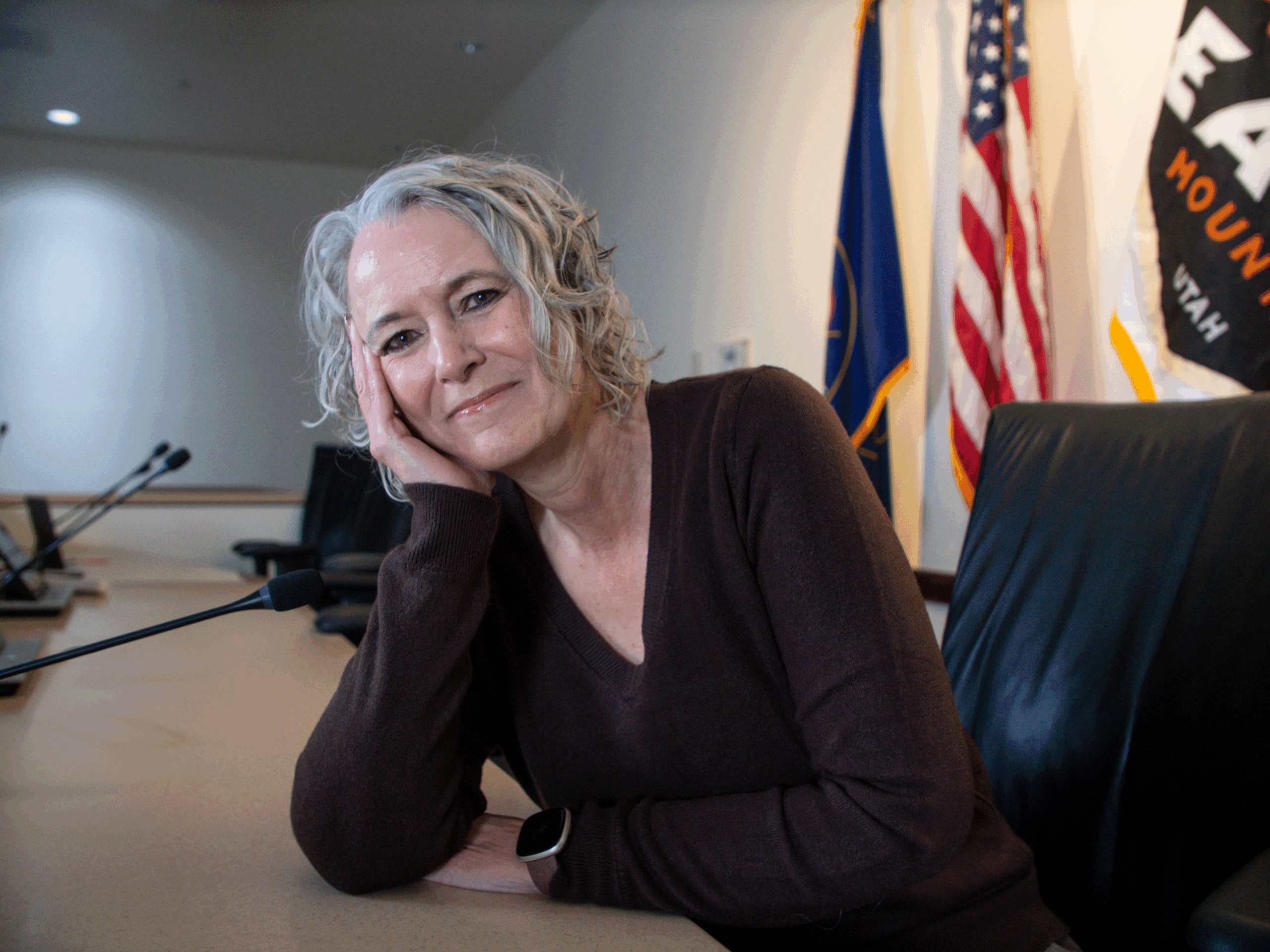
When Donna Burnham first stepped into the Eagle Mountain City Council chambers more than two decades ago, she was simply a resident who cared enough to show up.
Meetings were smaller then. The community was quieter, leaner and still in the early stages of becoming the city it is today. She didn’t win her first campaign—losing to Heather Jackson by just 32 votes.
“I continued attending council meetings and learning as much as I could,” Burnham says. “I ran again and won by a decent margin.”
Twenty years later, Burnham concludes a total of 16 years on the City Council, marked by periods of service, a short break, and then a return that spanned another eight years.
In that time, Eagle Mountain has seen explosive growth, shifting needs and moments that required steady governance. Burnham’s tenure crossed all of it.
Her public service began, in her words, not because she saw herself as a politician, but because she saw opportunities to bring residents’ voices into the process.
Once elected, Burnham’s approach was consistent: listen, evaluate, and be willing to disagree when necessary.
Residents often describe her as someone who doesn’t hesitate to ask difficult questions but does so with the intention of understanding. For a growing city trying to define its identity, that quality mattered.
Burnham says the most rewarding part of her service has always been working directly with residents to solve problems. Sometimes, that meant large initiatives; sometimes, it meant small fixes that quietly remove barriers in daily life.
“I have had the privilege of working with some amazing groups and individuals to improve our city,” she says.
Eagle Mountain’s community organizations, neighborhood groups, and volunteers often intersected with city priorities, and Burnham made a point of being accessible to those who reached out.
Her years on the council also coincided with Eagle Mountain’s transformation from a sparsely populated community to one of the fastest-growing cities in Utah.
Growth brought new parks, roads, neighborhoods, and facilities, but it also brought pressure on infrastructure and transportation systems that were never designed for rapid expansion.
Transportation, Burnham says, remains her biggest unfinished goal.
“I wish I could have solved our transportation problems. We are making progress, but it isn’t enough,” she says.
It’s a challenge well known to residents who navigate Pony Express Parkway or commute toward the I-15 corridor.
Burnham emphasizes that elected officials have pushed hard on the issue, even if the pace of improvement remains slower than anyone would prefer.
“I wish residents understood how hard we all have worked on this issue,” she adds.
As she prepares to step away from her role, Burnham’s reflections return repeatedly to the residents themselves. For her, public service has been less about policy outcomes and more about the people who show up, speak up and help shape the community.
“I love this city,” she says. “It has been an honor to serve you these past 16 years. Our residents are the city’s superpower, and I am grateful for the opportunity I had to work with so many of you.”